
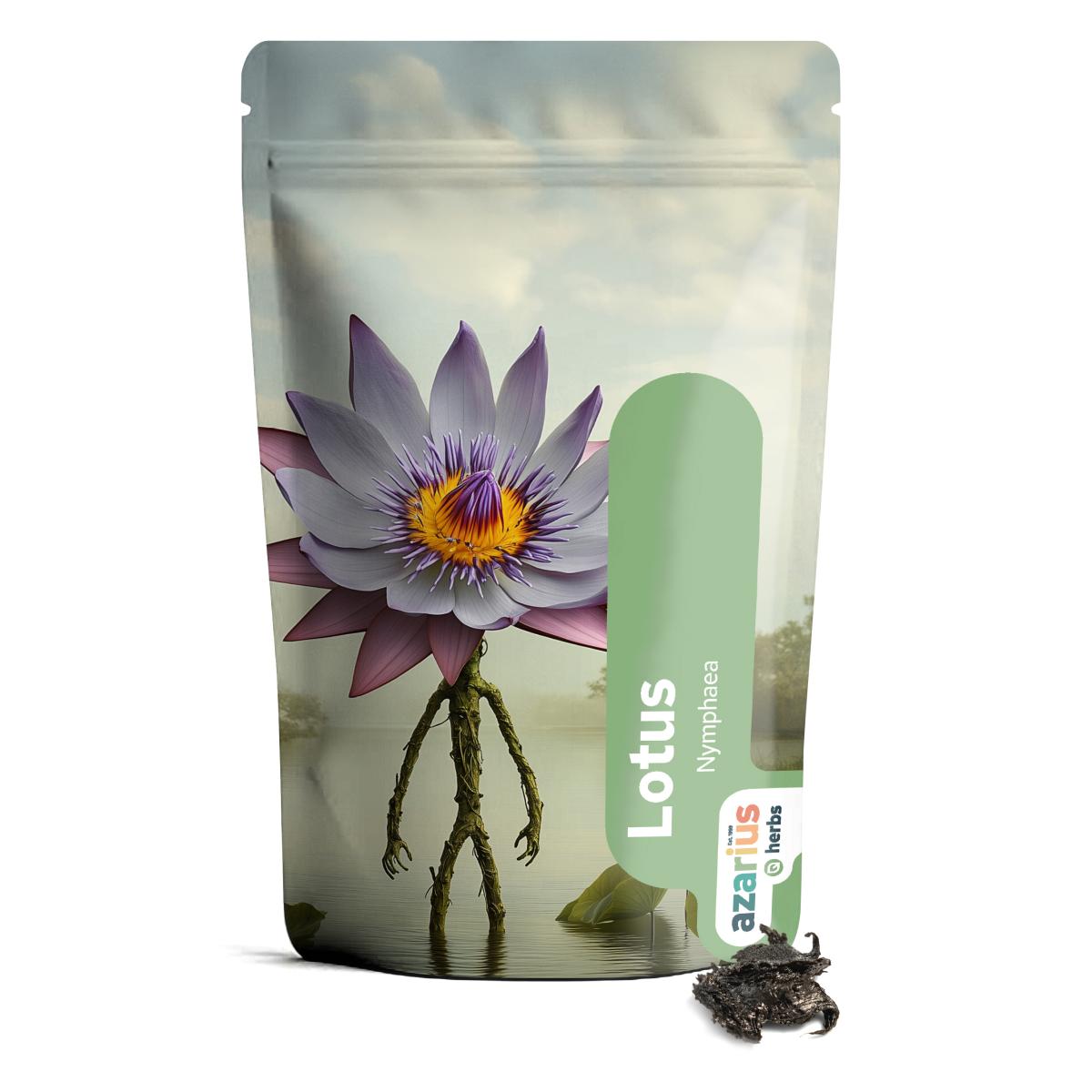
Blauer Lotus Harz (20x)
1g (20x)
von Azarius
Mehr kaufen, weniger zahlen
Blue Lotus Resin (20x) — Concentrated Nymphaea Caerulea Extract
Blue lotus resin is a concentrated botanical extract of Nymphaea caerulea that delivers twenty times the alkaloid density of dried flower in a compact, sticky resin format. One small piece goes a long way. Traditionally revered across ancient Egyptian and Mayan cultures for its calming, mildly dreamy properties, this resin format delivers the plant's active alkaloids — primarily nuciferine and aporphine — in an easy-to-dose form that doesn't require brewing pots of tea or smoking bowls of dried petals. When you buy blue lotus resin in the 20x concentration, you're getting a genuinely efficient way to experience this ancient botanical.
What Is Blue Lotus Resin and Why Choose the 20x Concentrate?
Blue lotus resin is a thick, dark extract made by reducing Nymphaea caerulea flower material into a concentrated paste at a 20:1 ratio. The "20x" means twenty grams of dried blue lotus flower were used to produce each gram of resin — so the active alkaloid content is significantly more concentrated than raw plant material. You get the same traditional properties in a fraction of the volume.
The resin itself has a distinctive look and feel: dark brown to near-black, tacky to the touch, with a rich floral-herbal scent that's unmistakably lotus. If you've ever handled hash or thick plant extracts, the texture is in that territory — pliable when warm, firmer when cool. The aroma is sweet, slightly earthy, with a faint honeyed note underneath. It's genuinely pleasant to work with.
Compared to dried blue lotus flower or loose powder, the resin format has a few practical advantages. There's no grinding, no steeping, no mess. A piece the size of a grain of rice is a reasonable starting point, which makes dosing straightforward once you've found your personal sweet spot. And because it's concentrated, a single gram lasts considerably longer than the equivalent weight in dried flower.
How Blue Lotus Has Been Used Traditionally
Nymphaea caerulea has a documented history of ceremonial and relaxation use stretching back at least three thousand years across Egyptian and Mesoamerican cultures. Depictions of the flower appear throughout ancient Egyptian art, from tomb paintings to ceremonial vessels. It was associated with the sun god Ra and with themes of rebirth and spiritual transition. The Mayans also used blue lotus in ceremonial contexts, steeping the flowers in wine or water.
Traditional use centred on the flower's calming and mildly mood-altering properties. Research into Nymphaea caerulea has identified two primary alkaloids — nuciferine and aporphine — as the likely active compounds. According to ethnobotanical literature and preliminary pharmacological studies reviewed by the Beckley Foundation's broader psychoactive plant research, these alkaloids interact with dopamine and serotonin receptor systems, which may account for the relaxation and gentle mood shift traditionally reported by users. According to the EMCDDA's monitoring of novel psychoactive substances, blue lotus remains a low-risk botanical that has not been scheduled in most European jurisdictions. We say "may" deliberately — clinical research on blue lotus specifically remains limited, and most of what we know comes from traditional use reports and preliminary pharmacological studies rather than large-scale trials.
| Specification | Detail |
|---|---|
| Botanical Name | Nymphaea caerulea |
| Common Names | Blue Lotus, Egyptian Blue Water Lily, Sacred Blue Lily |
| Extract Ratio | 20:1 (20 grams flower per 1 gram resin) |
| Format | Concentrated resin |
| Primary Alkaloids | Nuciferine, Aporphine |
| Colour | Dark brown to black |
| Texture | Sticky, pliable (softens with warmth) |
| Recommended Starting Amount | Rice-grain-sized piece (approx. 0.05–0.1g) |
| Storage | Cool, dry place — away from direct heat and sunlight |
Blue Lotus Resin vs Dried Flower vs Tincture — Which Format Suits You?
The 20x resin is the strongest and most compact blue lotus format available, making it the best option for experienced users who want potency without preparation time. Here's a straightforward comparison so you can pick without second-guessing.
| Format | Concentration | Preparation | Best For |
|---|---|---|---|
| Dried Flower | 1x (raw plant) | Brew as tea (15–20 min steep) or smoke | Traditional tea ritual, gentle introduction |
| Resin (20x) | 20x concentrated | Dissolve in hot water, vaporise, or take directly | Convenience, potency, long shelf life |
| Tincture | Varies | Drops under tongue or in drink | Precise dosing, portability |
The 20x resin sits in the sweet spot between raw flower and a measured tincture. It's more potent gram-for-gram than dried petals, more versatile than a tincture (you can dissolve it, vaporise it, or work it into a blend), and it stores well without losing potency over time — as long as you keep it sealed and away from heat. If you've tried blue lotus tea and found yourself thinking "I like this, but I wish it were stronger and less hassle," order the resin as your next step.
How to Use Blue Lotus Resin
Blue lotus resin can be dissolved in hot water, taken sublingually, or vaporised at low temperature — all three methods are effective, with tea being the most popular among our customers. Here's the step-by-step approach we recommend:
- Pinch off a small piece. Start with a rice-grain-sized amount — roughly 0.05 to 0.1 grams. A precision scale helps enormously here. With a 20x extract, small differences in weight translate to noticeable differences in effect.
- Choose your method. The three most common approaches: dissolve the resin in a cup of hot (not boiling) water and drink it as a tea; place it directly under your tongue and let it dissolve slowly; or vaporise it at a low temperature if you have a suitable device.
- Dissolving in hot water. Drop your piece of resin into a mug, pour over hot water (around 80°C works well — just off the boil), and stir until fully dissolved. Add honey or lemon if you like. The taste is floral and mildly bitter — not unpleasant, but not exactly Earl Grey either.
- Sublingual method. Place the resin under your tongue and hold it there for 60–90 seconds before swallowing. Absorption through the mucous membranes can be faster than drinking it as tea. The taste is more intense this way — earthy, floral, slightly resinous.
- Wait before redosing. Give it at least 45–60 minutes before deciding whether you want more. The onset can be gradual, especially with the tea method. Rushing to a second dose is the most common mistake we see.
- Store properly. Keep the resin in its original packaging or a small airtight container, somewhere cool and dry. Direct sunlight and heat will degrade the alkaloids over time. A drawer or cupboard is fine — no need for refrigeration.
What to Expect and What to Watch Out For
According to traditional use reports and ethnobotanical literature, blue lotus resin produces a gentle sense of calm, mild mood enhancement, and a slightly dreamy, contemplative headspace. Some users report that colours appear a touch more vivid and that creative or meditative activities feel more immersive. According to ethnobotanical reports, the experience is subtle rather than overwhelming — more like a warm, relaxed drift than anything intense. Research suggests that the alkaloid nuciferine may contribute to these calming properties through interaction with dopamine receptors, though clinical data in humans remains sparse.
On the less pleasant side: taking too much too quickly can cause dizziness, mild nausea, or an overly sedated feeling. These effects are dose-dependent and typically resolve on their own, but they're a good reminder of why starting small matters — especially with a 20x concentrate. If you're sensitive to sedating substances or combining blue lotus with anything else that affects your central nervous system, extra caution is warranted. We'd always say: keep your first session simple, solo-substance, and low-dose.
Pair your Blue Lotus Resin with dried Blue Lotus Flower for a gentler tea-based session, or get a precision scale (0.01g accuracy) to dial in your doses properly. If you're drawn to calming botanicals, Kanna and Passionflower are worth exploring alongside your lotus stash. Browse the Herbal Relaxants category or check the Azarius Encyclopedia entry on Nymphaea caerulea for deeper background on this ancient plant.
Why Blue Lotus Resin Belongs in Your Collection
Blue lotus resin is the most efficient way to experience Nymphaea caerulea — compact, potent, and requiring zero preparation beyond pinching off a small piece. The plant occupies a unique niche — calming without being heavy, mood-shifting without being disorienting, interesting enough to hold your attention but gentle enough for a weeknight. The 20x resin concentrates all of that into a format that takes up less space than a box of tea bags.
For anyone already familiar with botanical relaxants — kanna, passionflower, valerian — blue lotus resin offers something different. The character is its own: warmer, more contemplative, with that subtle visual and creative edge that the others don't quite deliver. It pairs well with quiet evenings, creative projects, or meditation sessions where you want your mind to soften without switching off entirely.
And practically speaking, the resin format just makes sense for a 20x extract. You're not wasting material trying to roll or brew something. A single gram, used conservatively, can last weeks. That's hard to argue with.
Frequently Asked Questions
What is blue lotus resin exactly?
It's a concentrated extract of Nymphaea caerulea flower, reduced at a 20:1 ratio into a thick, sticky resin. One gram of resin represents twenty grams of dried blue lotus flower, making it significantly more potent per weight than raw plant material.
How much blue lotus resin should I use for the first time?
A rice-grain-sized piece — approximately 0.05 to 0.1 grams — is the standard starting point. With a 20x concentrate, this is enough to gauge your sensitivity. Wait at least 45–60 minutes before considering more.
Can I dissolve blue lotus resin in water?
Yes, and it's one of the most popular methods. Drop a small piece into hot water (around 80°C), stir until dissolved, and drink. According to user reports, adding honey softens the mildly bitter taste. Avoid boiling water, as excessive heat may degrade some alkaloids.
Are there any side effects of blue lotus resin?
Taking too much can cause dizziness, mild nausea, or excessive sedation. These effects are dose-related and typically pass within a couple of hours. Starting with a small amount and waiting before redosing is the simplest way to avoid discomfort.
How should I store blue lotus resin?
Keep it in an airtight container in a cool, dry place away from direct sunlight and heat. Stored properly, resin maintains its potency for months. No refrigeration needed — a cupboard or drawer is fine.
What does blue lotus resin taste like?
Floral, mildly bitter, and slightly earthy — with a faint honeyed sweetness underneath. Dissolved in hot water with a spoonful of honey, it's quite pleasant. Taken sublingually, the flavour is more concentrated and resinous.
What's the difference between blue lotus resin and dried blue lotus flower?
Concentration and convenience. The 20x resin packs twenty times the alkaloid content per gram compared to dried flower. No brewing or grinding required — just pinch, dissolve, and drink. Dried flower is better if you enjoy the ritual of preparing a traditional tea.
Can I vaporise blue lotus resin?
Yes, at a low temperature setting. Blue lotus alkaloids vaporise at relatively modest heat. If your device has adjustable temperature control, start low and work up. Combustion (direct flame) is less efficient and harsher on the throat.
Where can I buy blue lotus resin?
You can buy blue lotus resin (20x) directly from Azarius. We ship from Amsterdam and stock this product year-round. Check the product page for current availability and weight options.
Last updated: April 2026
Ähnliche Produkte
Medizinischer Hinweis. Diese Inhalte dienen ausschließlich der Information und stellen keine medizinische Beratung dar. Konsultiere vor der Verwendung einer Substanz eine qualifizierte Fachperson im Gesundheitswesen.